

Besides enhancing the doctoral researchers’ academic skills and producing new interdisciplinary knowledge, HAIF trains doctoral researchers on transferable skills such as communications and project management, which are essential for widening their career prospects. HAIF doctoral researchers will become independent, internationally competitive researchers, innovators, technology developers and policymakers with entrepreneurial mindsets and extensive professional networks.
Meet our fellows!
Welgamage Supun Vidura Lakshan

Department of Computing
AI for Sustainable Energy Management in Greenhouses: Leveraging Photosynthesis Insights
I am a researcher fascinated by the ways AI can make agriculture smarter and more sustainable. My PhD focuses on greenhouse energy management, but with a twist: instead of only controlling temperature, light, and humidity, I want the system to understand the plant itself. By integrating photosynthesis and growth patterns into AI models, my research aims to reduce energy use while supporting healthy crops. I am drawn to this topic because it combines my background in data science with a real-world problem that impacts the environment and food production. Ultimately, I hope this work will help make greenhouse farming more efficient, sustainable, and responsive to the needs of both growers and plants.
Arifa Sultana

Department of Computing
AI-Based Multimodal Classification and Decision Guidance System for Monitoring Crop and Livestock Health Condition under Climatic Variation
My work focuses on the intersection of artificial intelligence and agricultural sustainability. In my PhD thesis I aim to develop intelligent models that integrate data from multiple sources like images, sensors, and environmental data to assess and predict the health status of crops and livestock. This research seeks to enhance resilience and productivity in farming systems affected by climate change. I’m particularly interested in this topic because it combines my passion for machine learning with a strong motivation to contribute to sustainable agriculture and food security through innovative AI-driven solutions.
Chisanga Mutale
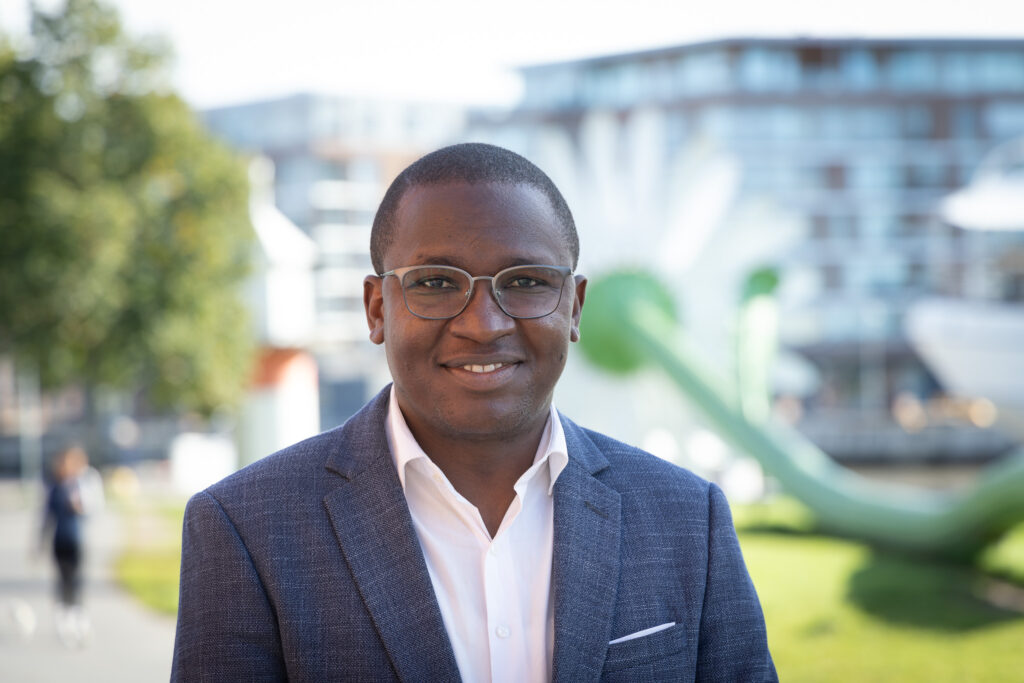
Faculty of Law
AI in Drug Discovery: Who Will Invent and Own Medicines in the Future? As part of the HAIF group Regulating AI
My research explores the level and quality of human inventive contribution required to qualify as an inventor in AI-assisted inventions, particularly in drug development.
In patent law, only natural persons can be named as inventors, yet there is no clear consensus on what constitutes inventiveness or how AI use should influence that assessment. My interest in this topic began during my master’s studies in 2019, where I examined whether AI could be recognised as an inventor. While I concluded it could not, I became intrigued by how AI’s contribution can be distinguished from that of a human, a question central to defining inventorship in the age of AI.
Nasibeh Rahbar-Nodehi

Department of Computing
A Dual-Layer LoRA-Enhanced Generative AI Framework for Cyber-Threat Detection in 5G Networks and Beyond
My research focuses on developing a LoRA-Enhanced Generative AI Framework for Cyber-Threat Detection, integrating chain-of-thought reasoning and continual reinforcement learning within 5G and beyond networks, including Non-Terrestrial Networks (NTNs). The aim of my work is to design self-configuring and self-securing AI systems capable of detecting and mitigating both known and unknown multi-stage cyber threats in real time. My interest in this topic stems from my background in network security and my previous role as a researcher at the National Research Council (CNR), where I worked on 5G and beyond network technologies. Driven by a passion for building trustworthy and resilient communication infrastructures, I strive to combine efficient AI adaptation methods with advanced cybersecurity analytics to enhance the security, autonomy, and sustainability of next-generation intelligent networks.
Manoj Joshi

Department of Computing
Causal World Models and Advisable Learning for Explainable Autonomous Driving
I have prior industry experience as a principal software engineer. My research investigates the application of causality in computer vision and autonomous driving to improve model interpretability and robustness. I am interested in using causal interventions and counterfactual data generation to allow vision models to learn unbiased representations, enabling robust perception systems. I am also researching how to learn from human advice in the context of autonomous driving, where the self-driving system takes human suggestions into account while driving. With the integration of causal inference, representation learning, and advisable learning, my research work attempts to develop generalizable and interpretable computer vision and autonomous driving systems.
Erofili Psaltaki
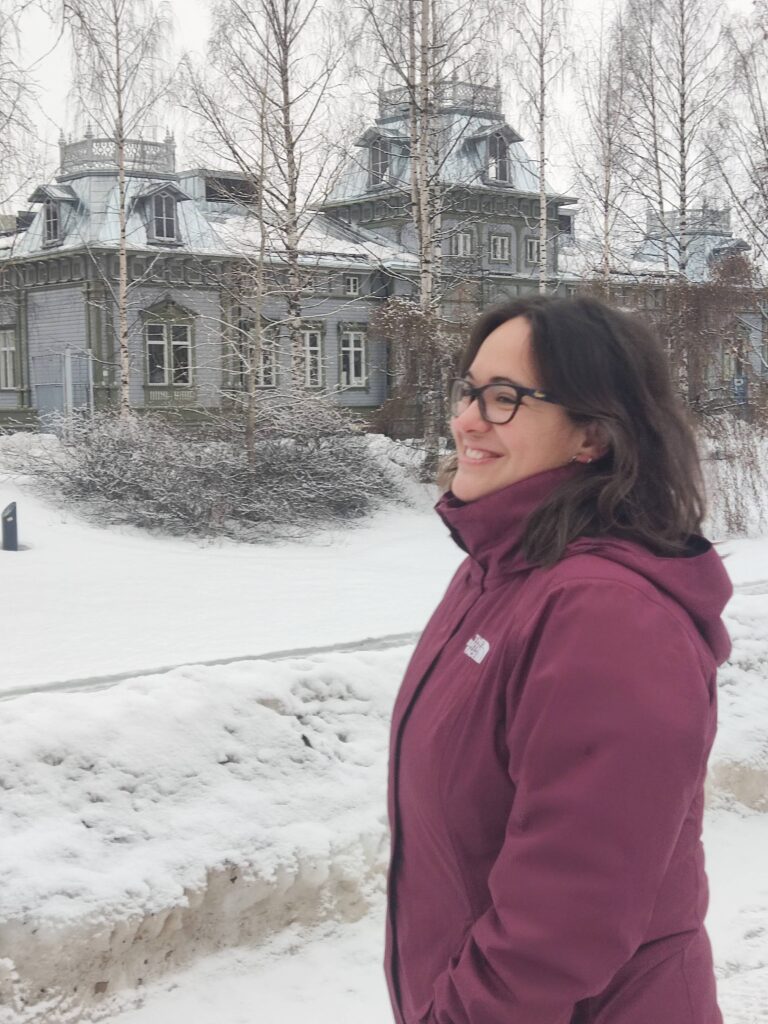
School of Languages and Translation Studies
Computational Approaches to Contact and Isolation in Lexical Evolution of Indo-European and Uralic Language Groups
My research addresses a long-standing question in historical linguistics: how does linguistic contact versus isolation configure lexical structure and semantic evolution over time? To explore this, we conduct a comparative analysis of Greek, Finnish and Sámi dialectal data.
I have been driven by a deep interest in language that has shaped my academic journey from an early age. Although my background is in the humanities, it has evolved over the past years, which led me to specialize in computational linguistics and dialectology, guiding my research towards the computational analysis of human language. Natural Language Processing (NLP) and its applications in linguistics is a field I find truly fascinating.
Ahmadreza Zarei
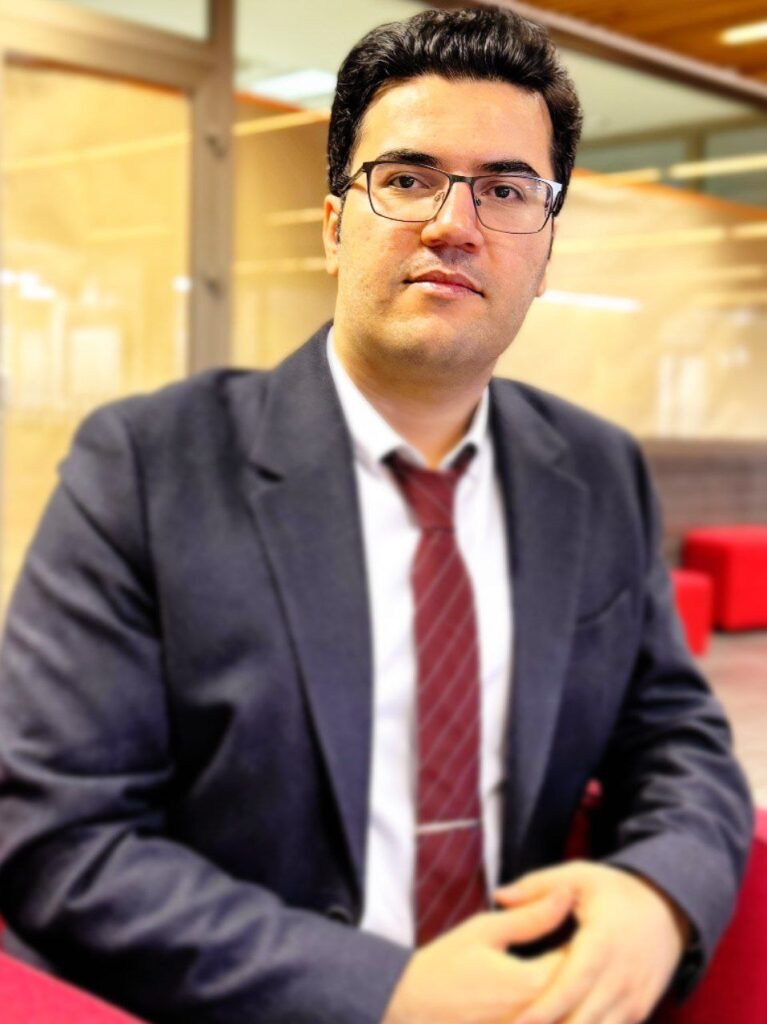
Department of Computing
Active Learning for Human-Robot Collaboration in Dynamic Environments Using Hierarchical Active Inference Framework (HAIF)
I am working on human–robot interaction and collaboration in dynamic environments. My PhD project develops a biologically inspired architecture that unifies perception, prediction, and action. I aim to model human behavior and environmental dynamics for accurate short- and long-term robot decision-making, infer internal human states from multimodal data, and improve safety, efficiency, and power consumption. My broader goal is to enable natural, adaptive, and energy-efficient human–robot interaction that enhances collaboration fluency, trust, and shared understanding in Industry 5.0 environments.
Jiling Zhou
Department of Computing
AI-Driven Threat Detection with Human-in-the-Loop to Enhance Transparency and Interpretability in Cyber Defense Systems (in IoT)
My research focuses on Human-Centric AI for Cybersecurity Incident Response and Threat Intelligence, with interests spanning cybersecurity in large language models (LLMs), Applied AI, and Applied Mathematics. I obtained my MSc degree in Cyber Security Analytics from the University of Exeter, where my master’s research explored Differential Privacy based on Bayesian Optimization in Deep Neural Networks.
Yifan Sun

Department of Computing
Wearable Technologies for Personalising Perinatal Mental Health Monitoring and False Biofeedback-based Intervention
I’m Yifan from Shandong Province, China. With a background in instrumentation engineering, I’m now interested in how technologies can help us better understand and improve emotional well-being. My PhD project focuses on perinatal mental health monitoring using wearable technologies and AI-based modelling. Emotional challenges such as anxiety and depression affect many women during pregnancy and after birth, yet these conditions often remain underdetected. By combining wearables with AI-based methods, I hope to contribute to earlier and more accurate identification of emotional changes. Through this work, I aim to help better support women’s health during this important and vulnerable period.
Chenchen Qi
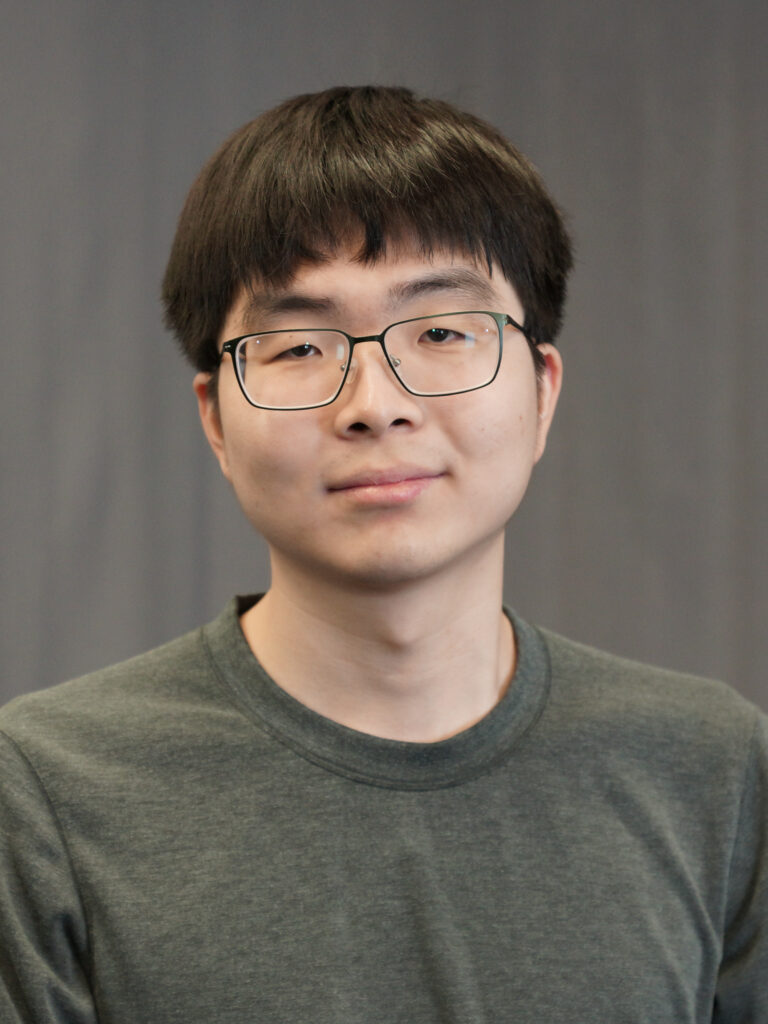
Department of Computing
Edge-Ready Interpretable Machine Learning Model for Multimodal Wearable Maternity and Newborn Monitoring
My doctoral thesis focuses on developing improved monitoring solutions to support a healthier society. I combine multimodal mechanical and physiological signals with advanced AI techniques to build robust, personalized, and interpretable edge-based health monitoring models.
I became interested in this research area after several years of studying and working at the intersection of engineering and medicine, where I witnessed the urgent need to translate cutting-edge technologies into clinical practice. Through my work, I want to contribute to the advancement of health technology and help bridge the gap between engineering and medical applications.
Outside of research, I enjoy cycling and gaming.
Chenxin Chen
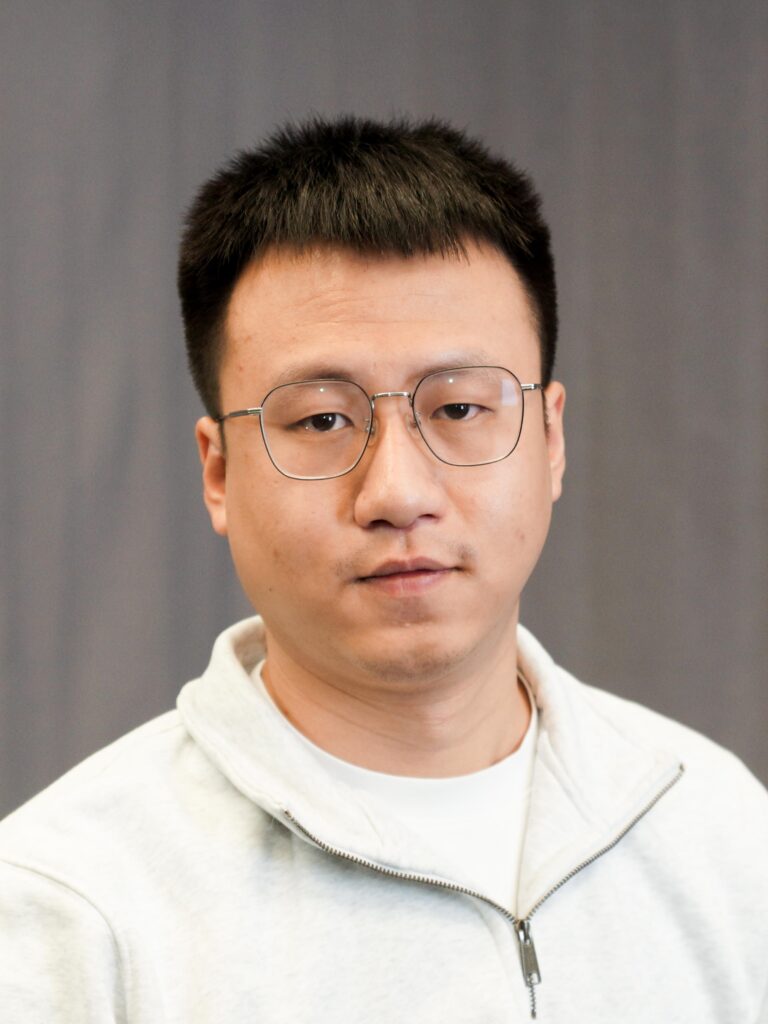
Department of Computing
From Signals to Semantics: A Large-Language-Model Approach to Emotion Recognition from Wearable Physiological Data
My doctoral project investigates how large language models can infer users’ emotional states from preprocessed physiological signals collected by everyday wearable devices. The work combines physiological signal processing, multimodal modelling and human–AI interaction to build emotion recognition methods that are both accurate and interpretable.
I am interested in this topic because of the growing demand for accessible, objective and continuous mental health support, and the current limitations of self-report and black-box machine learning models. Through my research I aim to provide a technically robust foundation for future digital mental health tools.
Xiaotong Sun

Faculty of Law
Human Oversight Compliance in High-Risk AI Systems under the EU AI Act
With a professional background in AI policy research, I have long been interested in how legal and governance frameworks can meaningfully keep pace with technological developments. This interest now guides my work on Article 14 of the EU AI Act.
My doctoral project, examines how the notion of human oversight can be interpreted and implemented in a coherent, legally robust, and practically workable way. I aim to clarify what “effective” human oversight requires in practice and to ensure that principles such as “effectiveness by design” operate as safeguards rather than sources of ambiguity or regulatory arbitrage.
Through a legally grounded and interdisciplinary approach, I hope to contribute to clearer responsibility structures and more reliable human oversight practices in high-risk AI governance.
Yubai Wei

Department of Computing
AI-Driven Human-Robot Co-Adaptation Autonomous System via Meta-Reinforcement Learning
My work focuses on AI-driven human-robot co-adaptation, aiming to create autonomous systems that can understand human intent, adapt in real time, and generalize across different tasks and users. My research explores meta-reinforcement learning and multimodal perception to build robots that collaborate with people more naturally and intelligently. I am deeply interested in this topic because I am passionate about integrating advanced AI into robotics to create practical, reliable tools that can support humans in real-world environments. My goal is to help shape the next generation of human-centered robotic systems for manufacturing, assistive technologies, and beyond.
Kemeng Che
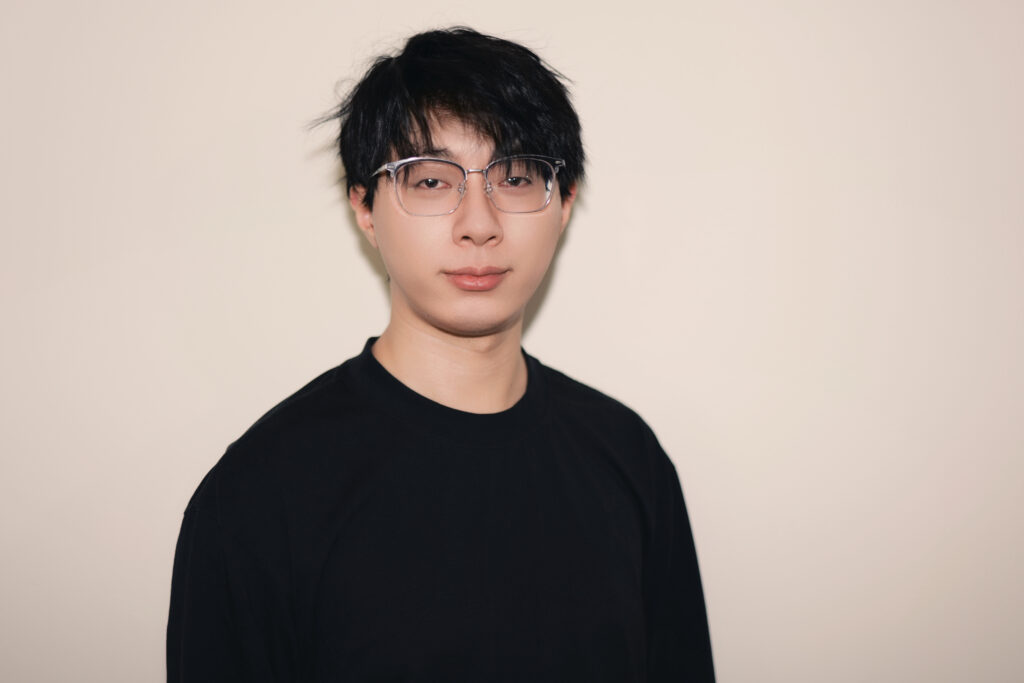
Department of Nursing Science
Bridging Gaps in Mental Health Support Systems for Underserved Communities: A Systemic Approach to Inclusive Conversational Health Agents
My research now focuses on developing an intelligent and inclusive Conversational Health Agent that supports mental health of Finnish higher education students. In this project, our research team are trying to combine large language models with wearable devices to capture physiological patterns and provide personalized guidance for the users. We aim to examine how AI-supported tools can promote mental health in a safe, trustworthy and user-friendly way, contributing to the development of responsible digital mental-health solutions. My broader interests include human–AI interaction, digital health interventions and integrating design thinking in health promotion and care service delivery.
Levan Maisuradze
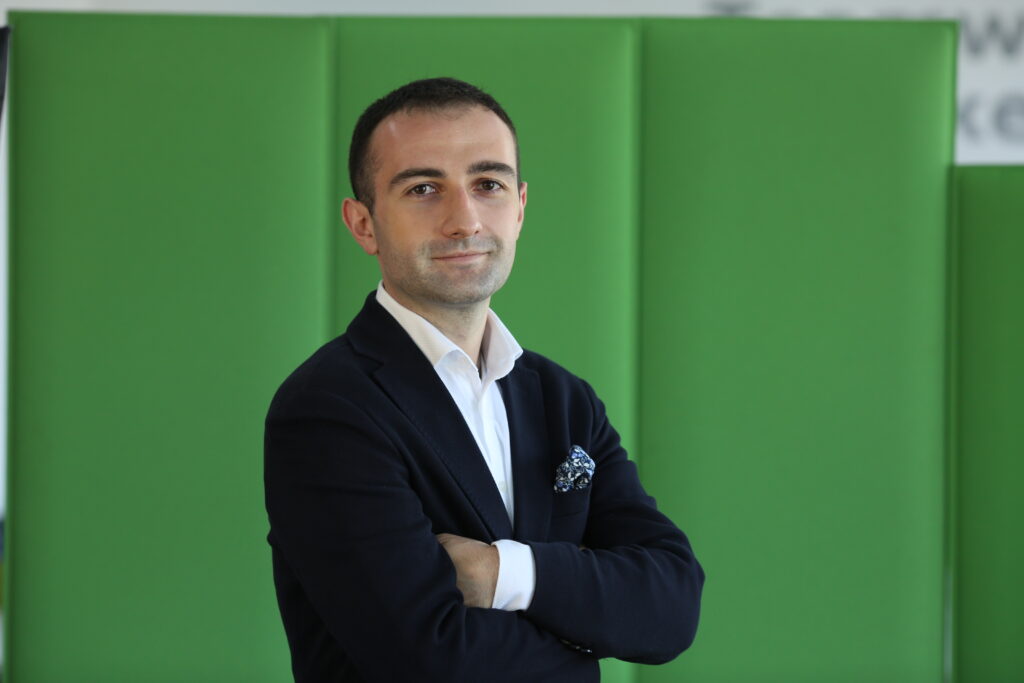
Faculty of Law
Safeguarding Fundamental Rights in AI-Based Content Moderation by Online Platforms under EU Law
I am from Georgia. I hold Master’s degrees in Private Law from Tbilisi State University and in European Business Law from Lund University. Before joining HAIF, I worked for the Georgian National Communications Commission and the Constitutional Court of Georgia. Since 2023, I serve as a member of the Council of Europe’s Committee of Experts on Online Safety and Empowerment of Content Creators and Users.
My doctoral research focuses on AI-based content moderation systems. While such systems are indispensable for handling the user-generated content, they also pose risks of over-moderation, under-moderation, algorithmic bias, and limited transparency. In this research project I investigate how EU law addresses these challenges and evaluates whether the existing regulation sufficiently protects fundamental rights.
Gunjan Saha
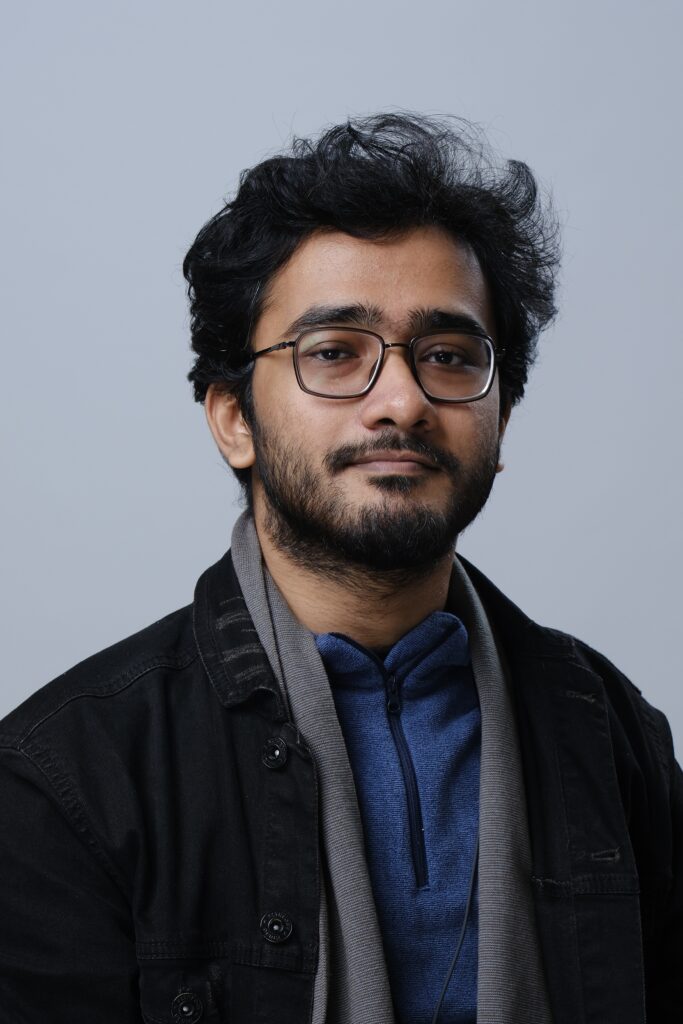
Department of Philosophy, Contemporary History and Political Science
A comparative study of moral responsibility in AI and Human Agents, in the context of ethical dilemmas
I have done my Bachelor’s degree (2017-2020) and continued with a Master’s degree (2020-2022) in Philosophy from Jadavpur University, India. My main area of interest is the ethical aspects of human-ai interaction. With an emphasis on fairness as an ethical notion, my main area of interest in the study is the ethical aspects of human-AI interaction. I want to comprehend how AI systems impact human decision-making processes and if present frameworks of accountability can appropriately handle these dynamics. I’m particularly interested in the questions of moral competence in AI and whether or not attributions of responsibility might resemble those made toward humans. The ethical implications of machine-human hybrid agents, moral competence in autonomous systems, and the assignment of responsibility to AI agents are issues that especially intrigue me. I will use thought experiments based on trolley scenarios to provide a practical and ethical framework for examining how intrinsic and extrinsic factors influence individuals’ engagement with Generative AI models.
Alireza Razzaghi
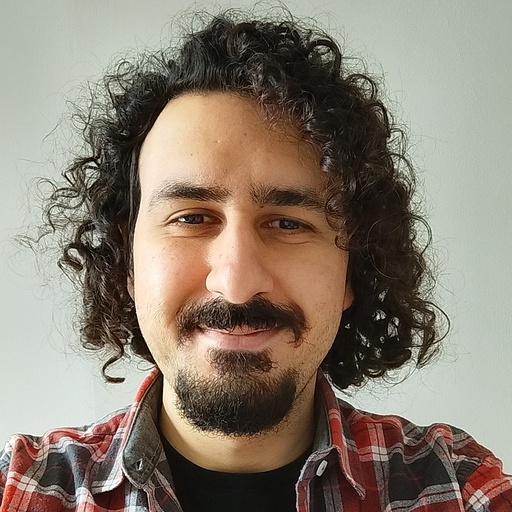
School of Languages and Translation Studies
Persian language registers across web corpora
I obtained my MA from Goldsmiths University of London in Computational Linguistics (2024). My research focuses on how Persian language registers vary in web corpora and compares them to other languages. I am interested in automatic text analysis and applying AI-based systems to linguistic corpora.
Dorian Beli

Department of Computing
Context-Aware OCR/HTR for Historical Documents: Extending OCR/HTR with Style and Record-Level Consistency
I graduated with a Master’s in Informatics at the Faculty of Informatics and Digital Technologies at the University of Rijeka, Croatia. With a background in Natural Language Processing (NLP) and professional experience in Big Data, Data Engineering, and Data Science, I wanted to use my knowledge and previous experiences, as well as my passion for history, to improve on how we preserve and digitise historical data, making the data publicly available and enabling further research.
The main interest of my research is to preserve the contents of the historical documents for future generations using Visual Language Models (VLMs) and other machine learning techniques. What is the connection to context? Historical documents come in various layouts. This research takes layout and handwriting information, as well as page- and document-level text context, as a means of improvement for Optical Character Recognition (OCR) on handwritten documents. My main goal and interest is to formulate a methodology that enhances OCR/HTR accuracy by treating historical documents not merely as images of text, but as structured cultural artefacts whose stylistic conventions and internal consistency can inform more reliable transcription.
Asma Hatoqai
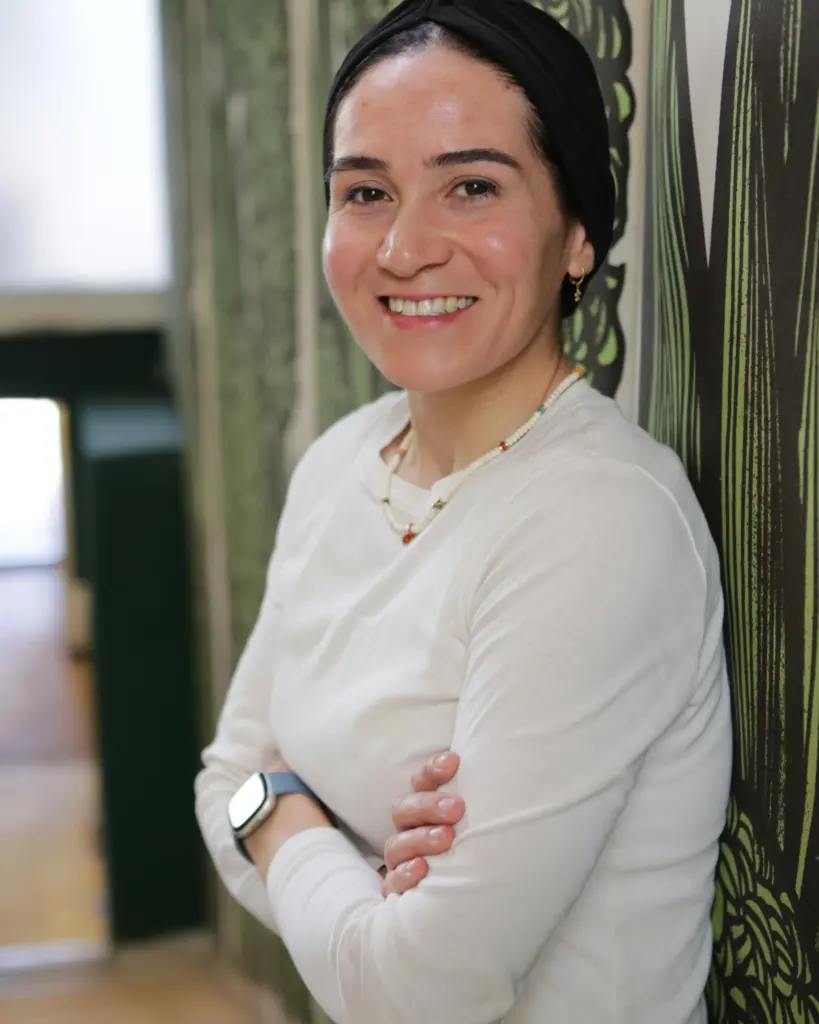
Department of Nursing Science
Mental Health Literacy in Relation to Artificial Intelligence Use: Redefining Concepts with Young Adults
As artificial intelligence (AI) is increasingly used in everyday life, I’m passionate about learning how young adults are engaging with its tools for their mental health, and exploring ways to benefit from AI to improve mental health literacy (MHL). I aim to generate knowledge that informs real-world actions in this field, hoping that this work will shape our understanding of ‘AI-MHL’ and guide young people, educators, AI developers, and policymakers toward more responsible use of AI for mental well-being. My background is in pharmacy and public health, and I’ve spent much of my career building capacities in smoking cessation, during which I developed a deep appreciation for how MHL supports healthier behaviors and lifestyle choices that ultimately improve wellbeing. As part of HAIF’s Intelligent Health Research Group, I’m excited to bring my experience to this project and to learn from my mentors and teammates along the way.
F M Fahmid Hossain
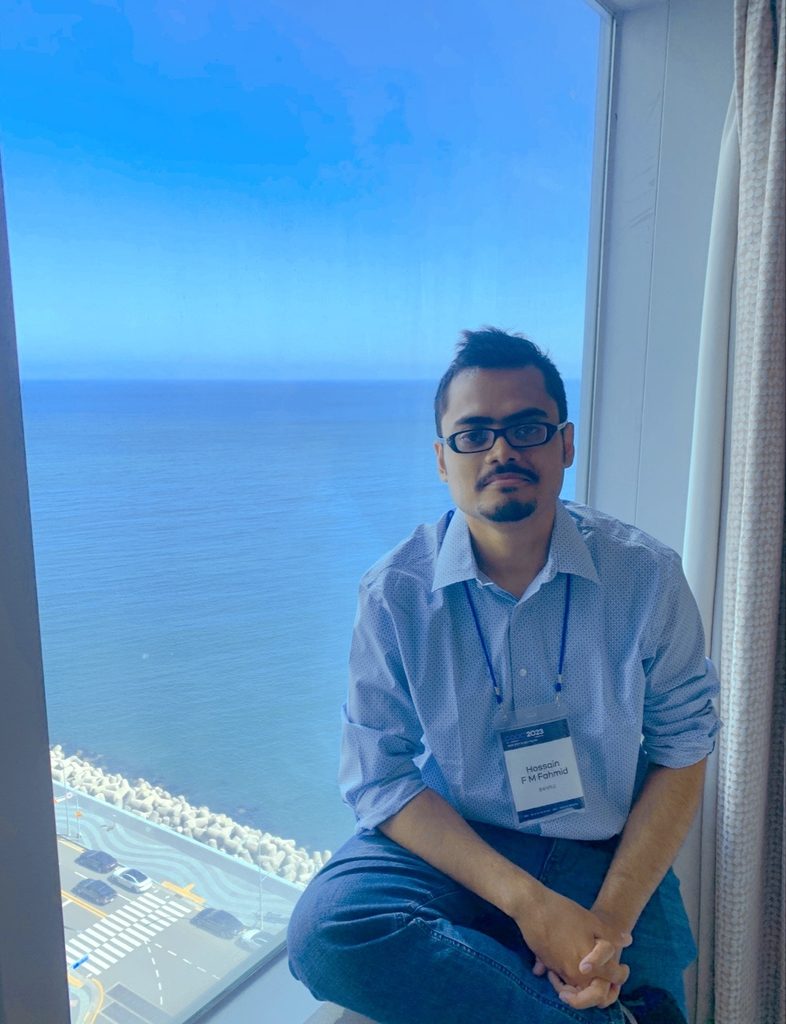
Department of Computing
Non-contact photoplethysmography-based physiological health monitoring
I am a doctoral researcher from Bangladesh in HAIF’s Digital Health Technology group. Before HAIF, I completed an MSc at Chungbuk National University, South Korea, working on deep learning for computer vision. My current research focuses on non-contact remote photoplethysmography (rPPG), which extracts heart rate, heart rate variability, respiration rate and blood oxygen saturation from standard video cameras. I develop deep learning architectures that stay robust under real-world conditions such as varying lighting, motion, skin tones and facial expressions, where current models struggle. The work will be clinically validated with Turku University Hospital.
I am interested in this topic because computer vision can make health monitoring accessible to patients for whom contact-based methods are difficult or unsafe, from neonates to burn patients. My long-term goal is to bridge AI research and clinical practice so that everyday cameras can support equitable, low-cost healthcare worldwide.
Asma Hosseinpour

Department of Mechanical and Materials Engineering
Predicting Synthesis Outcomes of Green Nanoparticles Using Artificial Intelligence for Healthcare Applications
I am a PhD researcher in the Materials in Health Technology group with a background in nanotechnology and computational modeling. My research focuses on using artificial intelligence to predict the synthesis outcomes of green nanoparticles. By integrating generative AI and machine learning, I aim to move away from traditional resource-intensive trial-and-error methods toward more sustainable, precise, and efficient materials design.
I am deeply interested in this topic because it represents a critical intersection between nanotechnology, AI, and healthcare. I am passionate about addressing real-world healthcare challenges by developing safer, eco-friendly biomedical solutions. My goal is to leverage computational medicine to bridge the gap between material synthesis and clinical translation, contributing to a future of technology-driven, sustainable healthcare.
Ashiq Muhammed Kozhikkattil
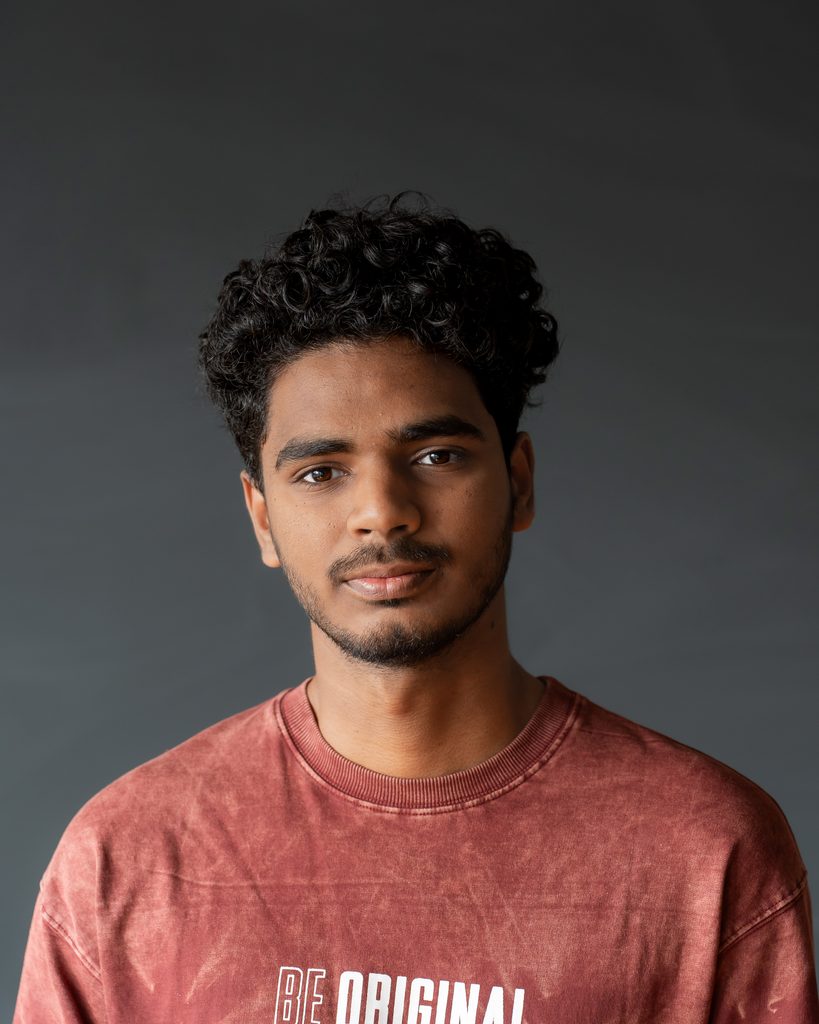
Department of Mechanical and Materials Engineering
Human-in-the-Loop Active Learning for Accelerated Materials Discovery and Design
My research focuses on integrating human expertise with machine learning to accelerate the discovery and design of advanced materials.
My doctoral project investigates how the human-in-the-loop machine learning and active learning frameworks can improve the efficiency, reliability, and interpretability of materials discovery workflows. By combining the expert knowledge with AI-driven optimization methods such as Bayesian optimization and Gaussian process models, I aim to develop systems that can identify promising material candidates using fewer experiments and simulations.
I am particularly interested in this topic because the materials development is often limited by the high cost and time required for experimentation. Through human-centered AI approaches, my research seeks to create collaborative decision-making frameworks where scientists and AI systems work together, enabling faster and more sustainable innovation in materials science. Ultimately, I hope this work will contribute to the development of next-generation materials for future technologies while advancing trustworthy and effective human-AI collaboration.
Naveen Vakada

Department of Computing
Diagnostic, Agentic, and Efficient Multimodal Reasoning Beyond Vision–Language
My research focuses on developing more capable, efficient, and adaptable multimodal AI systems that can reason about information from different modalities.
In particular, I am interested in understanding and controlling the internal representations of multimodal language models, with a focus on activation steering and efficient test-time adaptation. I explore how we can make AI systems better at reasoning, personalize their behaviour, and improve their reliability without requiring expensive full-model training.
I am interested in this topic because multimodal foundation models are becoming increasingly capable, but their reasoning processes and adaptability remain poorly understood. My goal is to develop practical and efficient methods that make these models more reliable and useful in human-centred applications, including health and well-being.
Yicong Wu

Department of Computing
Trust-Aware agent System for Health Information Retrieval and Clinical Reasoning
My doctoral research focuses on trust-aware agent systems for health information retrieval and clinical reasoning. I study how large language model-based AI agents can support complex medical reasoning when information is uncertain, multimodal, or requires step-by-step interpretation. This matters because healthcare decisions often depend on incomplete or evolving evidence, and AI systems need to be able to seek relevant information and support reliable decisions rather than simply generate answers. My work addresses the challenge of making medical AI more transparent, evidence-aware, and clinically meaningful.
With an interdisciplinary background in engineering and medicine, I am motivated by the goal of developing AI systems that are not only technically capable, but also reliable and useful in real-world healthcare contexts.